

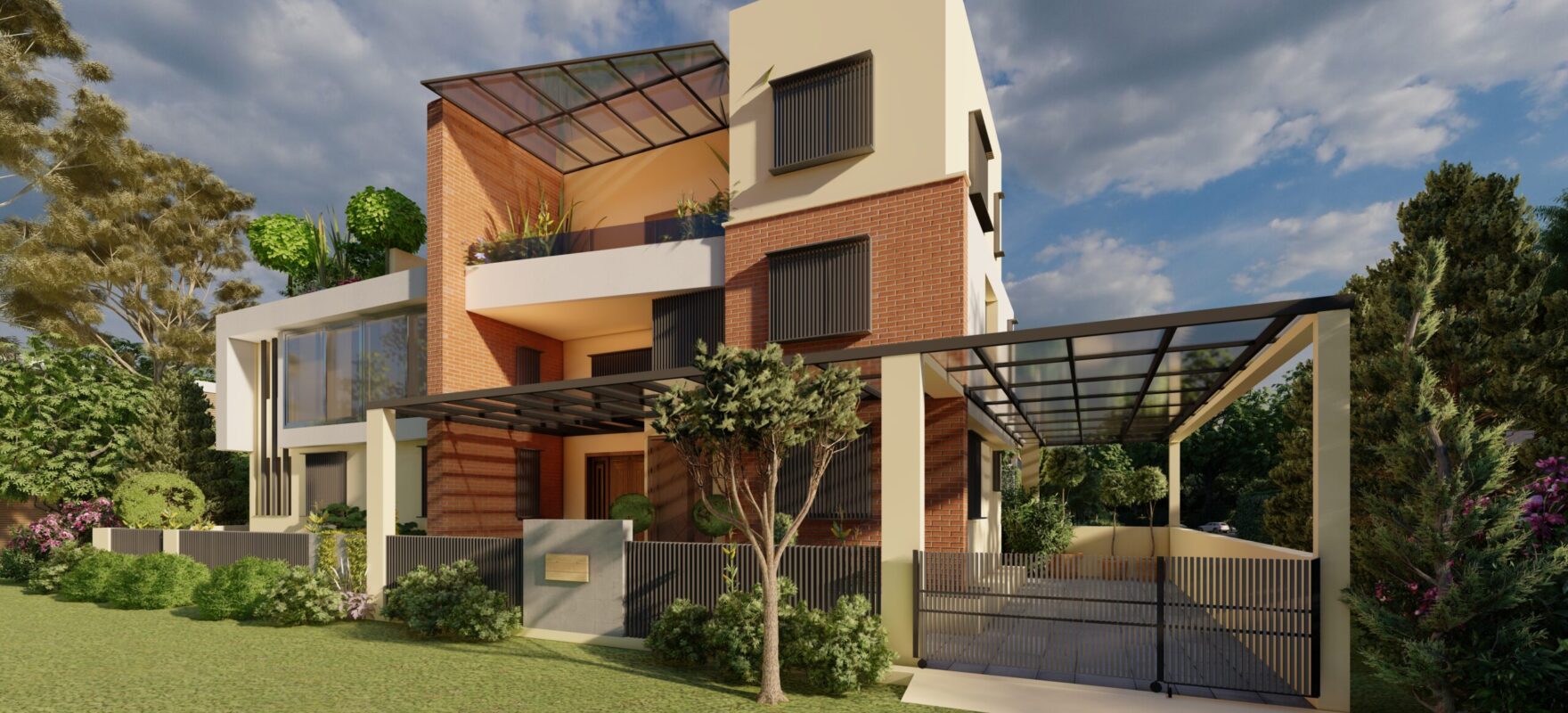
The real estate industry continues to evolve rapidly, and 2026 is shaping up to be a year of transformation. Changing buyer preferences, technological advancements, sustainability initiatives, and infrastructure development are reshaping property markets worldwide. Whether you’re a homebuyer, investor, developer, or seller, understanding the latest real estate market trends can help you make informed decisions.
In this guide, we’ll explore the most significant real estate market trends of 2026 and what they mean for the future of residential and commercial property investments.
The Real Estate Market in 2026: An Overview
The global real estate market is entering a more balanced phase after years of rapid growth and volatility. Industry forecasts suggest moderate price appreciation, improving inventory levels, and increasing opportunities for both buyers and investors. Experts also expect affordability to improve gradually as supply expands in key markets.
In India, the housing sector is expected to experience disciplined and sustainable growth, supported by strong demand, infrastructure expansion, and increased supply across major metropolitan regions.
1. Sustainable and Green Buildings Are Becoming the Standard
Sustainability is no longer a luxury feature—it’s becoming a necessity. Homebuyers and investors are increasingly prioritizing eco-friendly properties that reduce energy consumption and operating costs.
Popular Green Features in 2026:
- Solar power systems
- Rainwater harvesting
- Energy-efficient lighting
- Smart climate control systems
- Sustainable building materials
- Green certifications
Properties with sustainable features often command higher market value and attract environmentally conscious buyers.
2. Smart Homes Continue to Gain Popularity
Technology is transforming modern living. Smart homes equipped with automation systems are becoming a major selling point in residential real estate.
Smart Home Features Buyers Want:
- Smart security systems
- Voice-controlled appliances
- Remote lighting controls
- Energy management systems
- Automated temperature control
- Smart locks and surveillance
As smart technology becomes more affordable, developers are incorporating these features into both luxury and mid-segment housing projects.
3. Infrastructure Development Is Driving Property Growth
One of the biggest drivers of real estate appreciation in 2026 is infrastructure development. New highways, metro networks, airports, and commercial hubs are creating opportunities for property investors.
Why Infrastructure Matters:
- Improves connectivity
- Increases property demand
- Boosts rental yields
- Enhances long-term appreciation
- Attracts businesses and residents
Investors are increasingly targeting emerging locations with upcoming infrastructure projects for maximum returns.
4. Rising Demand for Premium and Luxury Housing
The luxury housing segment continues to perform strongly despite economic uncertainties. High-net-worth individuals are seeking spacious homes, exclusive amenities, and premium locations. Recent market observations also indicate resilience in luxury real estate demand.
Key Luxury Housing Trends:
- Larger living spaces
- Private workspaces
- Wellness amenities
- Premium security
- Resort-style facilities
- Branded residences
Luxury properties remain attractive for long-term wealth preservation and lifestyle enhancement.
5. Increased Focus on Community Living
Modern homebuyers are prioritizing quality of life over just location. Integrated townships and gated communities are gaining popularity due to their convenience and amenities.
Most Sought-After Community Features:
- Clubhouses
- Fitness centers
- Parks and green spaces
- Walking tracks
- Children’s play areas
- Co-working spaces
Developers are increasingly focusing on creating complete lifestyle ecosystems rather than standalone buildings.
6. Real Estate Technology (PropTech) Is Transforming the Industry
The rise of Property Technology (PropTech) is revolutionizing how properties are bought, sold, and managed.
Emerging PropTech Trends:
- Virtual property tours
- AI-powered property recommendations
- Digital documentation
- Blockchain transactions
- Online property management
- Automated customer support
Technology is improving transparency, reducing transaction times, and enhancing customer experiences across the real estate sector.
7. Commercial Real Estate Is Evolving
The commercial property market is adapting to changing work patterns and business needs.
Key Commercial Real Estate Trends:
- Flexible office spaces
- Co-working environments
- Mixed-use developments
- Smart office buildings
- Logistics and warehousing growth
- Data center expansion
Businesses are prioritizing flexibility, efficiency, and technology-enabled workspaces.
8. Rental Properties Remain Attractive Investments
With property prices remaining high in many markets, rental housing continues to attract both tenants and investors.
Benefits of Rental Investments:
- Consistent cash flow
- Long-term appreciation
- Portfolio diversification
- Inflation protection
Many investors are focusing on rental properties in high-growth urban areas where housing demand remains strong.
9. Buyers Have More Negotiating Power
Market forecasts indicate that inventory levels are gradually increasing, giving buyers more choices than in recent years. This shift is creating a more balanced environment where buyers can negotiate better terms and evaluate multiple options before making purchasing decisions.
What This Means for Buyers:
- More property options
- Better price negotiations
- Increased incentives from developers
- Less bidding competition
For first-time buyers, 2026 could present favorable opportunities in many markets.
10. Real Estate Investment Remains a Strong Wealth-Building Strategy
Despite market fluctuations, real estate continues to be one of the most reliable long-term investment options.
Why Investors Prefer Real Estate:
- Tangible asset ownership
- Capital appreciation potential
- Rental income opportunities
- Tax advantages
- Portfolio diversification
Experts suggest that investors focus on location quality, infrastructure growth, and long-term demand fundamentals rather than short-term market movements.
Key Predictions for the Real Estate Market in 2026
https://venkateshbuildcon.com/pune-real-estate-market-2026-what-the-trends-reveal-about-the-future-of-property-investment/
Based on industry forecasts and market analysis, several trends are expected to shape the year:
- Moderate property price growth
- Improved housing inventory
- Strong demand for sustainable homes
- Increased adoption of smart home technology
- Growth in luxury and premium housing
- Expansion of mixed-use developments
- Greater use of AI and PropTech solutions
- Continued infrastructure-led property appreciation
- Stable long-term investment opportunities
Industry analysts generally expect a more balanced market with steady growth rather than the extreme price surges seen in previous years.
Conclusion
The Real Estate Market Trends 2026 highlight a sector that is becoming more technology-driven, sustainable, and customer-focused. Buyers can benefit from increased inventory and improved choices, while investors can capitalize on infrastructure development, smart housing, and emerging growth corridors.
Success in real estate during 2026 will depend on understanding local market dynamics, evaluating long-term growth potential, and embracing new technologies that are reshaping the industry. Whether you’re purchasing your first home, expanding your investment portfolio, or planning a development project, staying informed about these trends can help you make smarter property decisions.
