

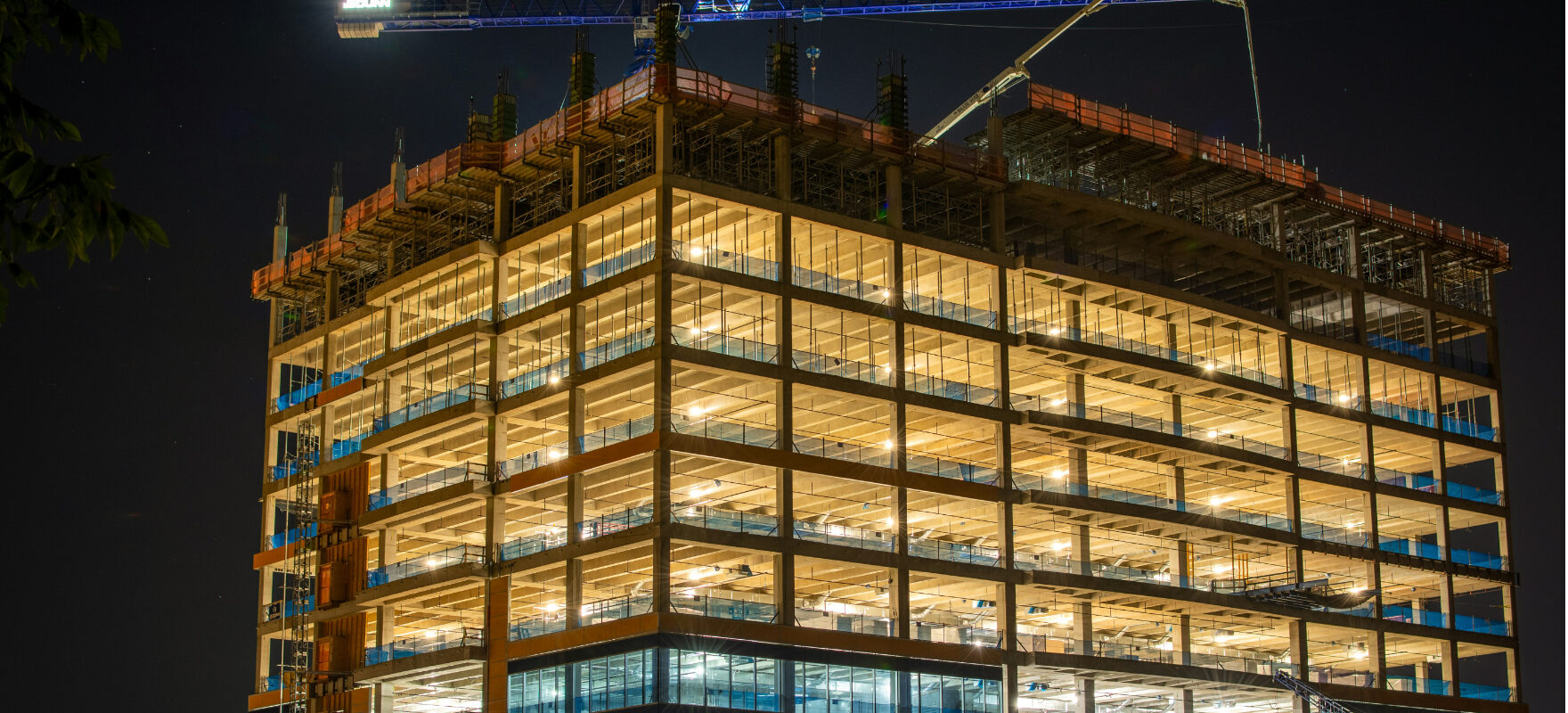
The real estate market continues to evolve in 2026, presenting both opportunities and challenges for homeowners, homebuyers, and property investors. Rising material costs, changing labor rates, sustainability requirements, and technological advancements are influencing the cost of building and buying homes. Explore our real estate and construction services.
Whether you are planning to construct your dream home, purchase a newly built property, or invest in real estate, understanding current construction costs and market trends can help you make informed decisions and avoid costly mistakes.
In this comprehensive real estate and construction cost guide for homeowners in 2026, we’ll break down the key factors affecting costs, budgeting strategies, and practical tips to maximize your investment.
Understanding the Real Estate Market in 2026
The housing market in 2026 is shaped by several factors, including economic growth, inflation, mortgage rates, urban development, and housing demand.
Many regions continue to experience strong demand for residential properties, especially in suburban and rapidly developing areas. Homeowners are increasingly seeking properties that offer energy efficiency, smart technology integration, and sustainable design features.
At the same time, construction companies are adapting to higher labor costs and fluctuating material prices, which directly affect the overall cost of building a house.
For homeowners, staying informed about local market conditions is essential before making any real estate investment decisions.
Average Home Construction Costs in 2026
One of the biggest questions homeowners ask is: “How much does it cost to build a house in 2026?”
While construction costs vary significantly depending on location, design, and materials, several common expenses contribute to the total project budget:
Rates per sq ft in Pune vary widely with specification, structure, site conditions and current material prices, so treat any figure you see online as a typical range only — a site-specific estimate is needed for your project.
1. Land Acquisition
The cost of land remains one of the largest expenses in any construction project. Urban areas and high-demand locations generally command premium prices, while suburban and rural locations may offer more affordable options.
2. Building Materials
Construction materials continue to represent a substantial portion of overall project costs. Common materials include:
- Cement and concrete
- Steel and reinforcement bars
- Bricks and blocks
- Roofing materials
- Flooring materials
- Electrical components
- Plumbing supplies
Material prices can fluctuate due to supply chain disruptions, transportation costs, and global market conditions.
3. Labor Costs
Skilled labor shortages in some regions have contributed to rising labor expenses. Construction projects typically require:
- Architects
- Engineers
- Electricians
- Plumbers
- Carpenters
- Masonry workers
Hiring experienced professionals often increases upfront costs but can reduce costly errors during construction.
4. Permits and Regulatory Fees
Local authorities often require permits, inspections, and approvals before construction can begin. These fees vary depending on location and project size.
Pune approvals update (October 2026): Under the Maharashtra Land Revenue Code (Second Amendment) Act, 2025, land that is already in a residential or other non-agricultural zone of the development plan no longer needs a separate Non-Agricultural (NA) permission from the Collector. In PMC limits, the conversion is now handled within the building-permission process, with a one-time premium linked to the Ready Reckoner value (Class-II or leasehold land still needs prior permission). Development charges, scrutiny fees and premiums depend on plot size, zone and UDCPR provisions, so a site-specific estimate is needed before you finalise your budget.
5. Interior Finishing
Interior finishes can significantly impact the final cost of building a home. Expenses may include:
- Kitchen cabinets
- Countertops
- Lighting fixtures
- Paint
- Flooring
- Bathroom fittings
- Smart home installations
Premium finishes can substantially increase overall project expenses.
Key Factors Affecting Construction Costs in 2026
Several factors influence home construction costs this year:
Inflation and Material Pricing
Inflation continues to impact construction budgets by increasing the price of raw materials and transportation services. Homeowners should account for potential price increases during long-term projects.
Sustainable Building Requirements
Energy-efficient homes are becoming increasingly popular. Features such as solar panels, high-performance insulation, and energy-efficient windows may increase initial costs but often reduce long-term utility expenses.
Smart Home Technology
Modern homeowners are investing in:
- Smart security systems
- Automated lighting
- Smart thermostats
- Voice-controlled devices
These technologies enhance convenience and property value but should be included in project budgets from the beginning.
Customization and Design Complexity
Unique architectural designs, luxury features, and customized floor plans generally require additional labor and materials, resulting in higher construction costs.
Budgeting Tips for Homeowners
Creating a realistic budget is one of the most important steps in any construction project.
Establish a Clear Budget
Determine your total available funds before starting the project. Include financing costs, construction expenses, and emergency reserves.
Set Aside a Contingency Fund
Unexpected expenses are common during construction. Industry experts often recommend reserving 10% to 20% of the total budget for unforeseen costs.
Compare Multiple Contractor Quotes
Request detailed estimates from several contractors before making a decision. Comparing quotes helps identify competitive pricing and potential cost-saving opportunities.
Prioritize Essential Features
Focus first on structural quality, safety, and long-term functionality. Luxury upgrades can often be added later if budget constraints arise.
Monitor Expenses Regularly
Track project costs throughout construction to prevent budget overruns and maintain financial control.
Real Estate Investment Opportunities in 2026
Despite rising construction costs, real estate remains one of the most reliable long-term investment options.
Growing cities, infrastructure development projects, and expanding residential communities continue to create opportunities for homeowners and investors alike.
Properties with sustainable features, smart technology integration, and proximity to transportation hubs are expected to attract strong buyer demand in the coming years.
Investors should carefully evaluate local market conditions, rental demand, and future development plans before purchasing property.
How Homeowners Can Save Money on Construction
Reducing construction costs doesn’t necessarily mean compromising quality.
Consider these strategies:
- Purchase materials in bulk when possible.
- Use durable, low-maintenance materials.
- Select standardized designs instead of highly customized layouts.
- Work with experienced contractors.
- Plan thoroughly before construction begins.
- Incorporate energy-efficient solutions that reduce long-term operating costs.
A well-planned project can achieve significant savings while maintaining high construction standards.
Conclusion
The real estate and construction landscape in 2026 presents both exciting opportunities and important financial considerations for homeowners. Rising material prices, labor costs, sustainability trends, and technological innovations are shaping the cost of building and buying homes.
By understanding current market trends, creating a realistic budget, working with qualified professionals, and planning for unexpected expenses, homeowners can successfully navigate the construction process and maximize the value of their investment.
Whether you’re building a custom home, purchasing a newly developed property, or exploring real estate investment opportunities, informed decision-making remains the key to achieving long-term success in the evolving housing market of 2026.
Planning a home or commercial building in Pune? Explore our real estate and construction services or chat with SB Square Projects on WhatsApp for a site-specific estimate.
