

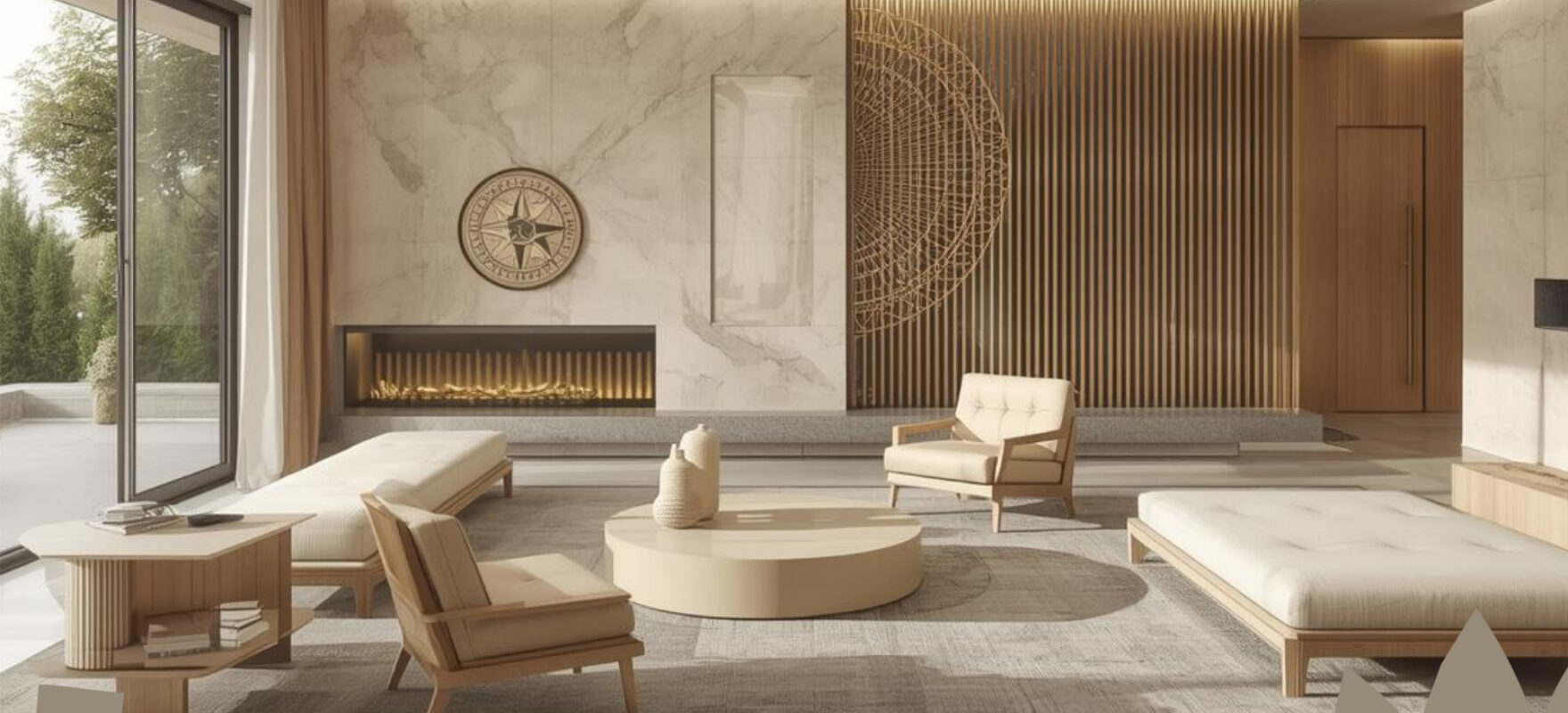
A well-designed landscape does more than enhance the beauty of your property—it creates a welcoming environment that promotes peace, prosperity, and well-being. Vastu Landscaping for Homes when landscape design is combined with the principles of Vastu Shastra, it can help create a balanced outdoor space that supports positive energy flow throughout the home.
Vastu landscaping focuses on the strategic placement of plants, trees, water features, pathways, and open spaces according to traditional Vastu principles. Whether you have a spacious garden, a compact yard, or a modern villa landscape, incorporating Vastu guidelines can help maximize harmony and functionality.
In this guide, we’ll explore how to design a Vastu-compliant landscape that enhances both aesthetics and positive living.
Understanding Vastu Landscaping
Vastu Shastra is an ancient Indian architectural science that emphasizes harmony between human living spaces and natural elements. In landscape design, Vastu principles help determine the ideal placement of gardens, trees, water bodies, and outdoor structures based on directional energy.
The five elements of nature—Earth, Water, Fire, Air, and Space—play a significant role in Vastu landscaping. Proper alignment of these elements is believed to create balance, attract prosperity, and improve overall well-being.
Importance of Vastu in Landscape Design
A thoughtfully planned landscape can:
- Improve energy flow around the property
- Enhance visual appeal and property value
- Create peaceful outdoor living areas
- Support better sunlight and ventilation
- Promote health, happiness, and prosperity
- Establish a stronger connection with nature
Vastu Landscaping for Homes
https://sbsquareprojects.com/services/vastu-landscape/
Modern homeowners increasingly prefer Vastu-compliant landscaping because it combines traditional wisdom with contemporary design aesthetics.
Best Directions for Garden Planning as per Vastu
http://Home garden maintenance tips
North-East (Ishan Corner)
The North-East direction is considered the most auspicious zone in Vastu Shastra.
Ideal for:
- Lawns
- Flower gardens
- Meditation spaces
- Water fountains
- Small ponds
This area should remain open, clean, and clutter-free to allow positive energy to enter the property.
South-West
The South-West zone represents stability and strength.
Ideal for:
- Large trees
- Dense plantations
- Rock gardens
- Elevated landscape features
Keeping this area heavier than the North-East helps maintain energetic balance.
South-East
Associated with the fire element.
Suitable for:
- Outdoor lighting
- Decorative lighting installations
- Barbecue areas
- Electrical equipment
North-West
Represents movement and airflow.
Best for:
- Flower beds
- Decorative plants
- Seating areas
- Pergolas and gazebos
Vastu Guidelines for Plant Placement
Plants play a vital role in Vastu landscaping. Choosing the right plants and placing them in appropriate directions can enhance positive vibrations around the home.
Recommended Plants
Tulsi (Holy Basil)
Tulsi is considered highly sacred and auspicious.
Best Placement: North, East, or North-East
Benefits:
- Purifies the environment
- Promotes positivity
- Enhances spiritual well-being
Neem Tree
Known for its medicinal and environmental benefits.
Best Placement: North-West or West
Ashoka Tree
Popular for residential landscapes.
Best Placement: South or West
Bamboo Plants
Associated with growth and prosperity.
Best Placement: East or South-East
Trees to Avoid Near the Main Entrance
According to Vastu principles:
- Avoid large trees directly in front of the entrance.
- Do not plant thorny plants near the main entry.
- Remove dead or diseased plants promptly.
- Avoid excessive clutter in garden areas.
Maintaining a clean and healthy landscape encourages positive energy circulation.
Water Features According to Vastu
http://Water-efficient garden planning
Water symbolizes wealth, abundance, and purity.
Ideal Locations for Water Features
The North-East direction is considered the best location for:
- Fountains
- Waterfalls
- Fish ponds
- Reflecting pools
Benefits of Water Features
- Attract positive energy
- Create a calming atmosphere
- Enhance visual appeal
- Improve environmental comfort
Important Vastu Tips
- Ensure water remains clean and flowing.
- Avoid stagnant water.
- Regularly maintain fountains and ponds.
- Keep water features away from the South-West zone.
Vastu Tips for Pathways and Walkways
Pathways guide movement and energy throughout the property.
Best Practices
- Create smooth, curved pathways instead of sharp angles.
- Keep walkways clean and obstacle-free.
- Ensure proper lighting along pathways.
- Use natural materials whenever possible.
A welcoming pathway enhances both functionality and positive energy flow.
Outdoor Seating and Relaxation Areas
Outdoor seating spaces help homeowners connect with nature and enjoy peaceful surroundings.
Recommended Locations
- North-West
- East
- North
These areas support social interaction, relaxation, and healthy airflow.
Adding pergolas, benches, and shaded seating areas can improve comfort and usability.
Vastu Landscaping for Small Homes
http://Sustainable landscape design
Even compact properties can benefit from Vastu landscaping principles.
Simple Ideas
- Use vertical gardens.
- Place potted plants in the North-East.
- Install a small fountain if space allows.
- Keep the East and North sides open.
- Use natural lighting to enhance outdoor areas.
Small changes can make a significant difference in creating a balanced and harmonious environment.
Common Vastu Landscaping Mistakes to Avoid
Many homeowners unintentionally create imbalances in their landscape design.
Avoid These Mistakes
- Large trees in the North-East
- Water bodies in the South-West
- Overcrowded gardens
- Poor drainage systems
- Thorny plants near entrances
- Neglected or dead vegetation
Regular maintenance is essential for preserving positive energy and landscape beauty.
Modern Landscaping Meets Traditional Vastu
Today’s homeowners are increasingly blending modern landscape architecture with traditional Vastu concepts. Features such as sustainable gardens, rainwater harvesting systems, native plant selections, and smart outdoor lighting can be incorporated while maintaining Vastu compliance.
This combination allows homeowners to enjoy both contemporary aesthetics and the timeless benefits of Vastu Shastra.
https://sbsquareprojects.com/
Conclusion
Vastu landscaping is more than a traditional design practice—it’s a holistic approach to creating beautiful, functional, and harmonious outdoor spaces. By carefully planning garden layouts, plant placement, water features, pathways, and seating areas according to Vastu principles, homeowners can create an environment that supports positivity, prosperity, and well-being.
Whether you are designing a new home landscape or renovating an existing garden, incorporating Vastu landscaping principles can help you achieve a balanced outdoor space that enhances both your property’s value and your quality of life.